



Parents already know that after school activities can keep kids busy while serving as extended childcare. Yet, the right activity offers so much more for kids. It can also help them develop confidence, resilience and a stronger sense of self. Sports, the arts, STEM, clubs and skill-based activities each have their own unique benefits, and each can lay the groundwork for helping children grow socially and emotionally.
These types of activities can boost confidence and benefit children in a multitude of ways.
Sports
Most people consider sports as the best way for kids to understand the importance of teamwork, but different sports can teach children unexpected skills. Sports that allow children to advance at their own pace can teach them patience and perseverance. When they need to master a certain technique to obtain a new karate belt, or improve their stroke to compete at a different level of tennis, they learn how to be rewarded for commitment.
Options like ping pong, basketball and golf can serve kids well when learning about science and math, giving them a better understanding of principles they will eventually learn in geometry and physics. Yoga and swimming help children relax and regulate their breathing. Sticking with a sport for a while opens the possibility of leadership roles, as they teach their sport to newer participants.

The Arts
From painting to ballet and theater to choir, any artistic activity is an opportunity for children to unleash their creative juices. These types of activities let children express themselves, cultivating a sense of freedom that they may not be able to express in their everyday life. Ballet classes can teach perseverance and precision. Theater and choir are perfect team working and team building activities. Some children’s theaters have leadership opportunities, allowing children to shadow adults or take the lead in backstage roles, such as lighting or directing.
Problem solving, decision making and risk taking can be fostered through creative activities. Being involved in artistic activities doesn’t necessarily require special classes. Utilize Maker-spaces at local libraries for materials to create visual arts. Some libraries offer free art or writing classes for kids. For a budding writer or actor, give them a notebook to capture their thoughts or develop scenes that they can perform.
Clubs and Skill-based Activities
From language clubs to scouting, any opportunity for children to gather and share ideas opens their minds to working with others. Clubs like 4-H or scouting bring together children with a variety of interests and skill sets, giving them a chance to support, teach and learn from one another. These organizations help children understand civic engagement while honing specific skills that interest them.
When children participate in focused skill-based activities, they can follow their passion and connect with others with similar interests. Whether learning to cook, developing Minecraft skills, learning yoga or taking a language, students can foster new friendships while mastering a skill that they enjoy. When specialized activities like archery or ping pong blend children with adults, everyone is learning at the same pace, which can build confidence in youngsters able to learn with older peers.
Games and STEM
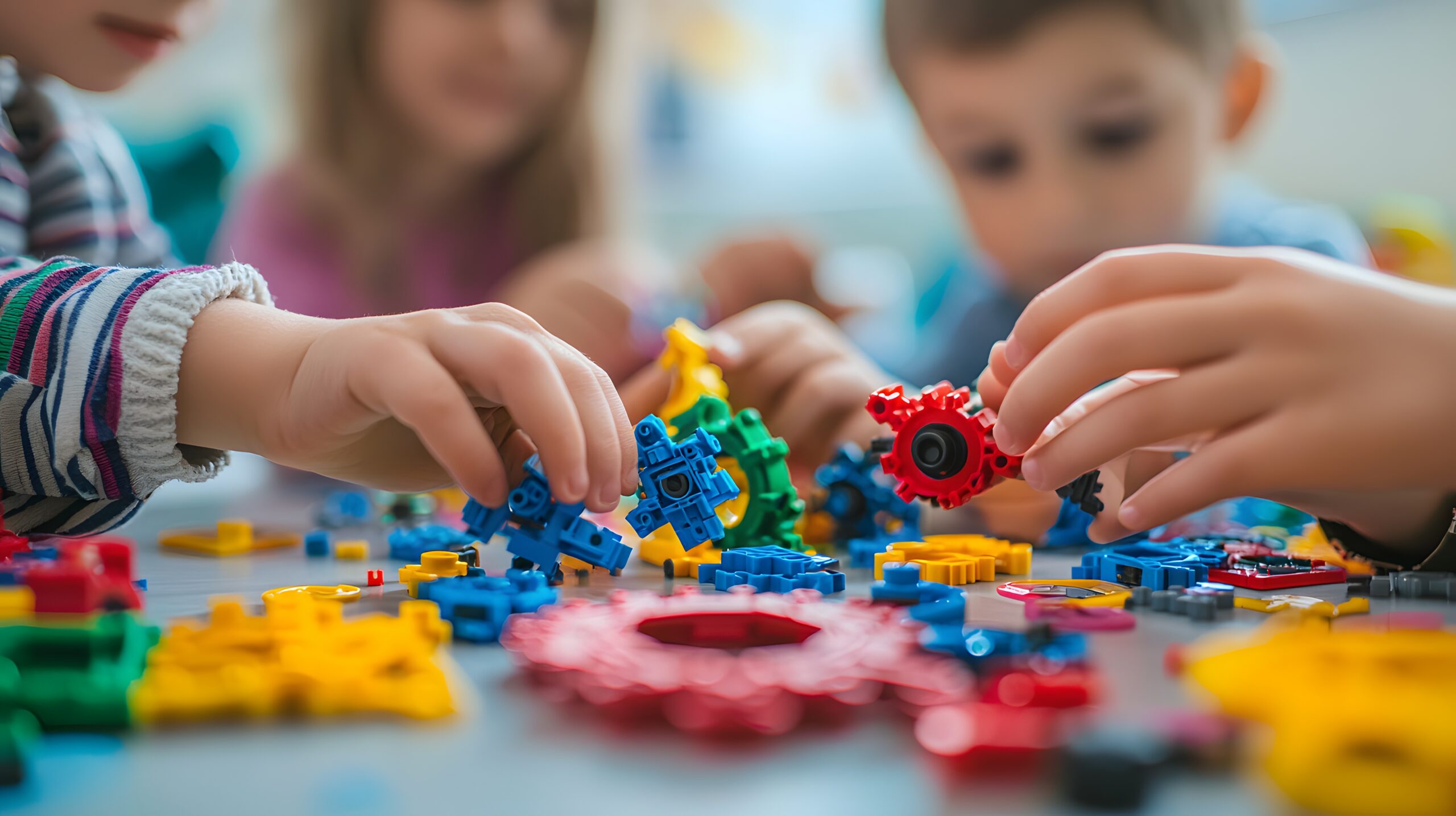
Puzzles, chess and STEM activities allow children to think in creative ways; they also boost confidence with every small success. These types of activities help kids with problem solving, collaboration and learning from their mistakes. Each misstep — whether it’s a puzzle piece in the wrong place or typo that prevents a coding program from working — teaches kids to focus on details and not make the same mistake twice.
Games like chess teach children risk and consequence, guiding them to think before making decisions. Participating in STEM-related activities can give them confidence that they are capable of doing science and math in their schoolwork.
When kids participate in multiple activities from multiple disciplines, they challenge themselves by learning different and sometimes uncomfortable skills, opening their minds to new experiences and perspectives. Trying new things, even when it doesn’t fall into their natural skillset, can help them develop resilience and empathy.