



If a high-quality Montessori program is a top priority for you and your family, then there are many important questions you should ask when choosing a school that will meet your kids’ needs. Some questions will revolve around teacher preparation and quality of instruction, while others will have more to do with the learning environment itself, such as whether the students will have an uninterrupted work period as part of every school day. After all, a Montessori education is a balance between the child’s freely-chosen activities and the teacher’s judgment in guiding each child to his or her best work overtime.
Here, we break down what you should be asking yourself and the Montessori programs, according to an early education expert.
Is a Montessori teacher with certification from a national accrediting organization leading each classroom?
The answer to this question is more important than you may realize, says Jessica Brown, an American Montessori Society certified teacher for ages 0-3 and the owner and teacher of a Montessori parent-child classroom in Libertyville, Illinois. While teachers from Association Montessori International (AMI) programs offer stricter adherence to Montessori’s philosophy, teachers from American Montessori Society (AMS) programs might base their instruction on a more modern and flexible approach, and therefore their educational programs may incorporate more of what feels familiar about American public schools, Brown says.
Each Montessori format will have an impact on the teaching style of the Montessori teacher and thus the learning environment in which your child finds themselves. Schools and teachers affiliated with either program, however, can still offer a “true” Montessori experience, says Brown. “Choosing one over the other is more a matter of personal preference or other practical or logistical considerations.”
What are some of the activities my child will engage in to build their sense of independence?
In the classroom, parents should see plenty of learning opportunities for the children to care for themselves and their educational environment, says Brown. This will include things like wiping spills, polishing wood and metal objects, food preparation, and mundane but hands-on activities like flower arranging. “These activities build coordination and concentration as well as independence,” Brown says. “The space should be orderly — but no need for it to be spotless, because messes are an important part of children’s developing independence.”
The children’s free choice of work is a core element of Montessori. In other words, parents might look for a hum of activity, like a beehive inside the classroom: children working independently, in pairs, in small groups, with adults and without, on all kinds of different activities that fit their interests and needs, Brown says. Whole-group activities should be a very small portion of each work period, as the emphasis should be on activities built on establishing student independence and self freedom.
What are daily routines like at this Montessori school?
Daily routines should allow the children to be as engaged, independent and active as possible, from returning work to the shelves to setting the table and clearing their dishes to putting on their own shoes, clothing and outerwear, says Brown. “Gaining ownership of these activities is a process, and each child’s developmental path is different, so looking for an atmosphere of empowerment is more important than whether every child is 100% independent,” she says.
However, no two Montessori classroom routines will look the same, as Montessori teachers have a lot of flexibility and creativity to bring in other work to introduce science and cultural ideas. Practical life should be mixed in the school curriculum throughout, says Brown, both through shelf work like scooping and pouring, which helps children build hand strength and isolate specific skills as they refine their coordination, and through activities of classroom and self-care.
What is the school’s curriculum?
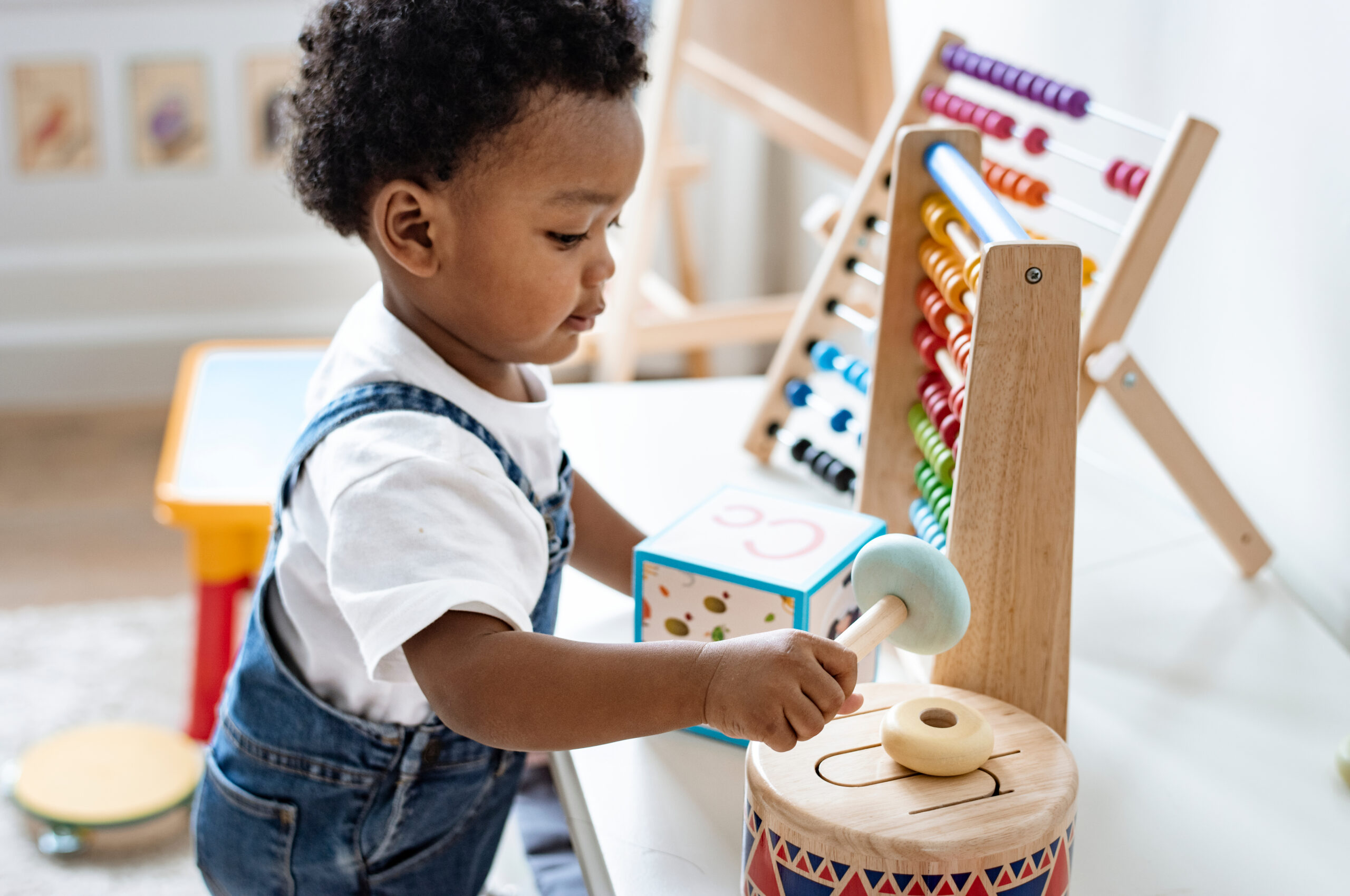
Montessori curriculum includes a core set of very specific materials for sensorial refinement (building the ability to distinguish differences in size, quantity, and even scent), language development, and mathematical concepts. “Most activities involve a tactile component, like sandpaper letter tiles, beads to represent quantities in math, and real or realistic objects to build vocabulary,” Brown says. This is because Montessori’s philosophy is founded on the idea of concrete experiences preceding abstractions. “Toys as we might think of them are generally incorporated sparingly and at times other than the work cycle,” she says.
Things you might not know about Montessori
The most important thing to understand about Montessori is its deep respect for children as human beings, says Brown. Everything about the educational approach values children as people, and this is at the heart of every decision made about the environment and in every interaction with them. For example, on a tour of a Montessori school, parents might notice a teacher asking questions to support a student in completing a task. For instance, the teacher might ask a student: “Can you try pushing your heel down into your shoe?” instead of simply stepping in to do the task for the child.
Finally, Brown says there are also some unfortunate misconceptions about Montessori. It is often thought of as either strict and rigid or as a free-for-all where kids just “do whatever they want all day.” But really, Montessori is best described as freedom within structure, Brown says. “There are boundaries and routines, but within them, there is a lot of trust and autonomy that allows children to develop true independence and confidence,” she says.